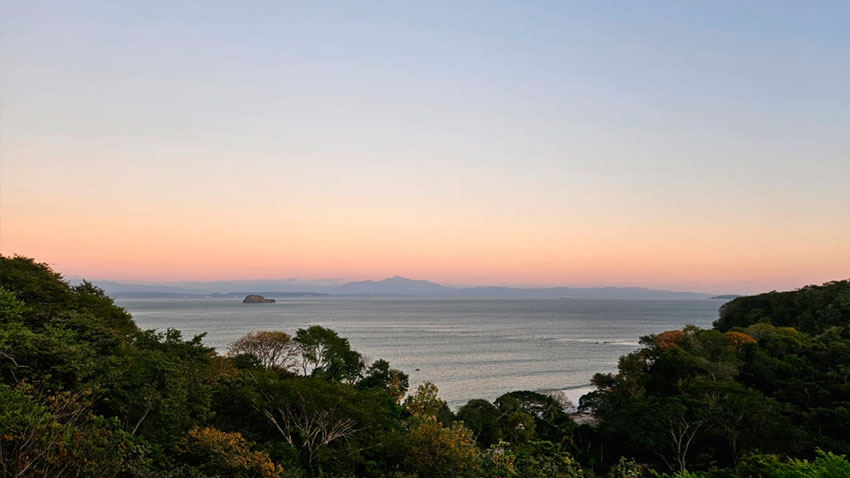
The path out of Soltara to the beach takes you north to Playa Blanca.
During the rainy season and full moon, caution should be taken when entering the sea as there are usually strong currents during these events.
Try to leave your belongings at a considerable distance from the sea when you go swimming, so that the tide does not surprise you.
Be careful with sea rays and rocks during low tides.
Mantarraya/Sea Rays: It is common to find them on the beach during dry tides. It is recommended to keep your distance to avoid a sting.
Property information
Árboles/Trees: We are located in a mountain area, so we are surrounded by abundant vegetation.
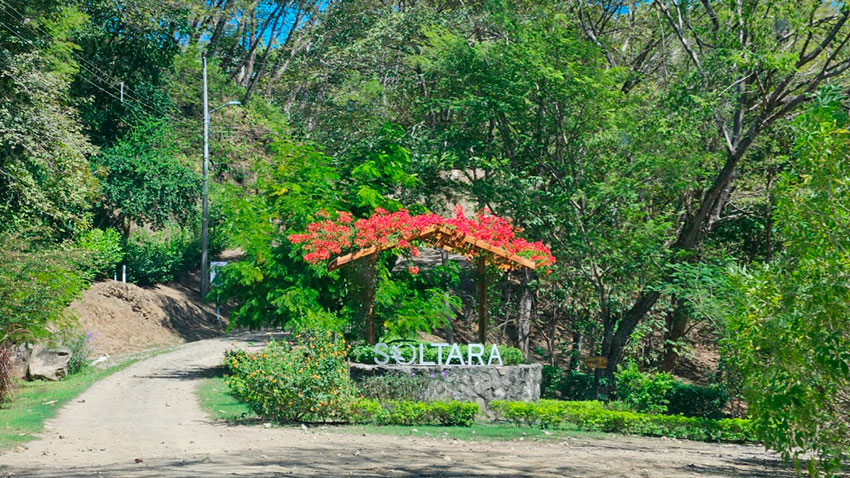
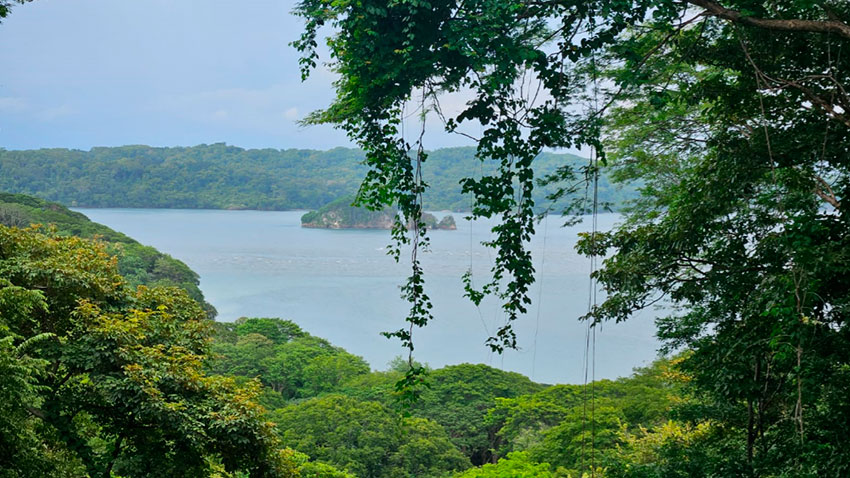
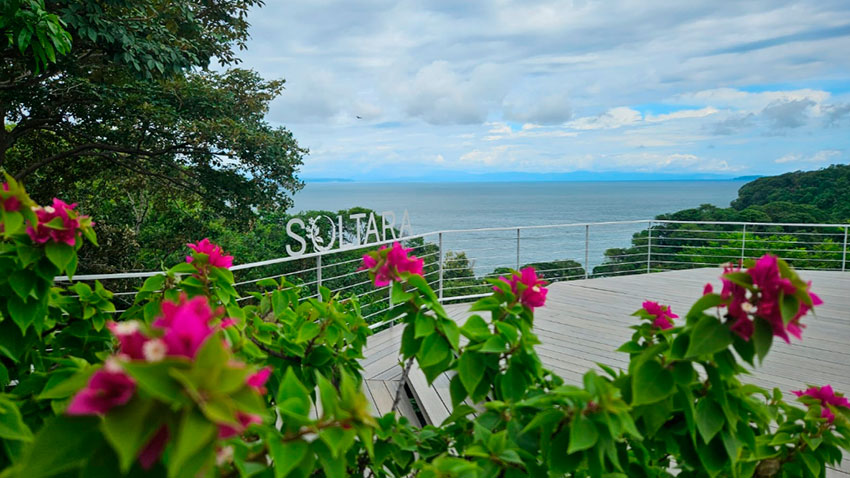
Tall trees can be dangerous during storms or windy days, so it is recommended to remain alert during these types of events.
During the months of September and October it is normal for it to rain constantly in the area, it is important to protect yourself under a safe roof.
Remember to bring your umbrella with you during the rainy season. May to November.
🔦 Always carry your flashlight at night.
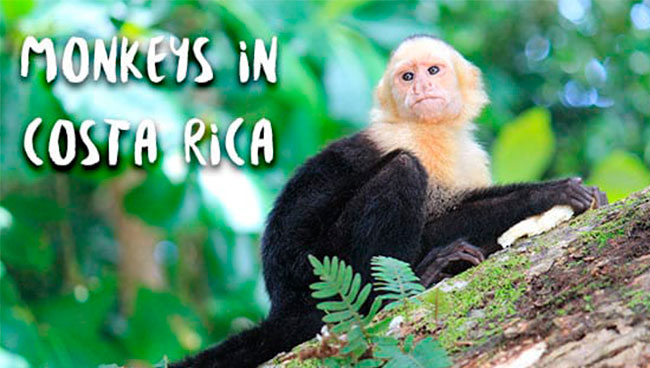
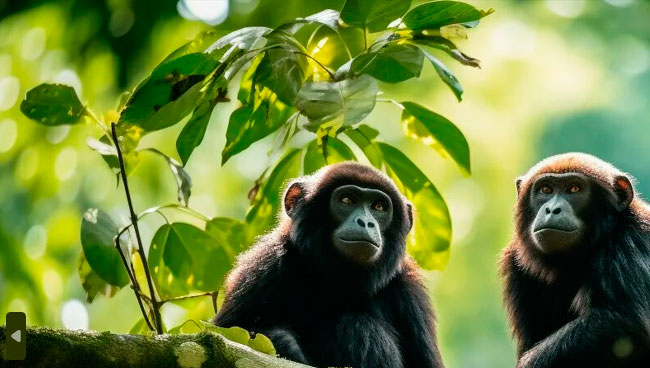
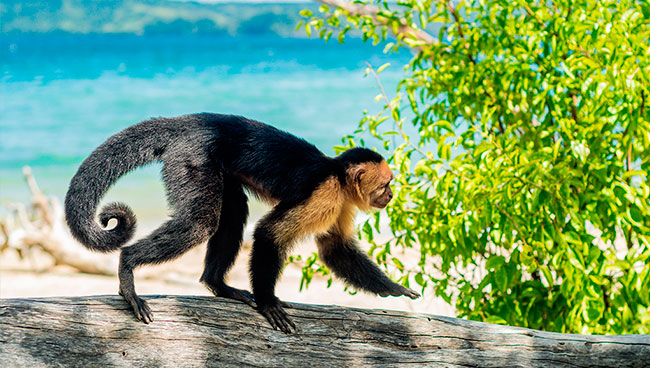
Monos/Monkeys: They can usually be seen when they reach the trees near the gym.
Our recommendation is to watch and enjoy them, but not to feed or to try to play with them
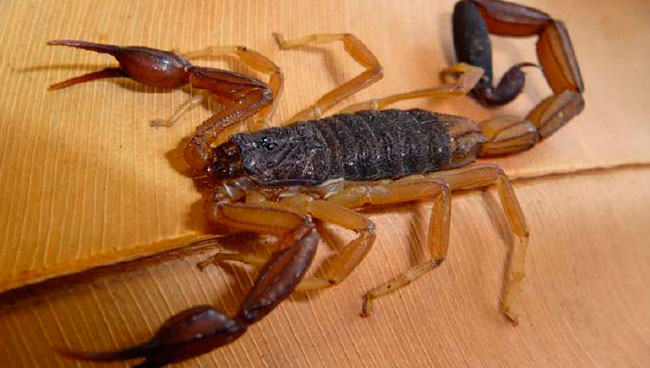
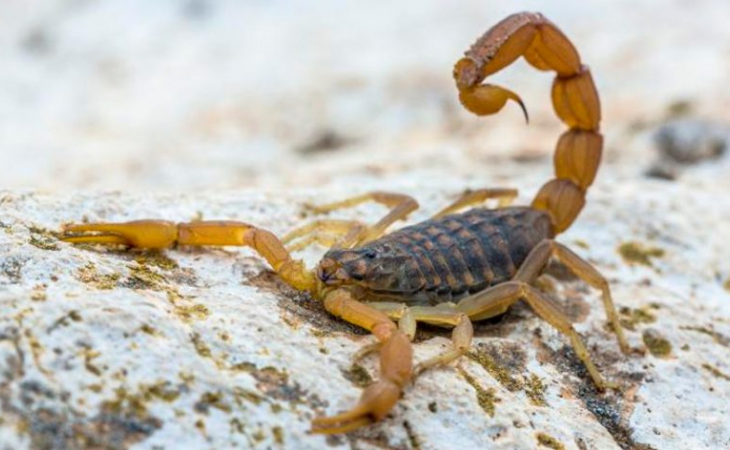
Escorpiones/Scorpions: are arachnids known for their distinctive appearance, which includes a pair of pincers and a segmented tail ending in a venomous stinger. Found in diverse habitats worldwide, from deserts to tropical forests, scorpions are primarily nocturnal predators
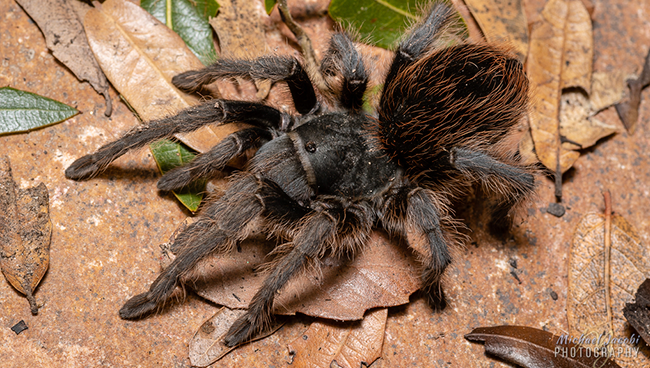
Tarántulas/Tarantulas: Known for their intimidating appearance, tarantulas are generally non-aggressive and their bites are rarely dangerous to humans, typically causing only mild discomfort
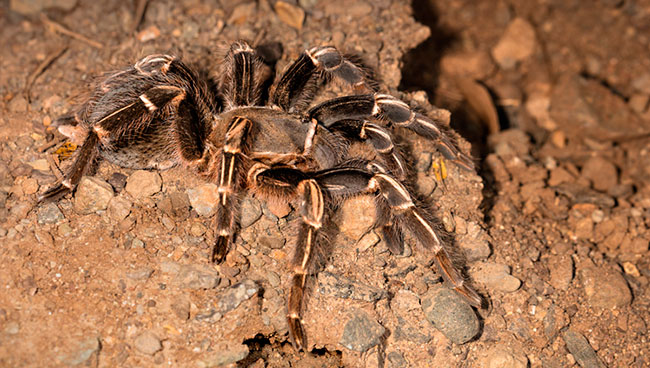
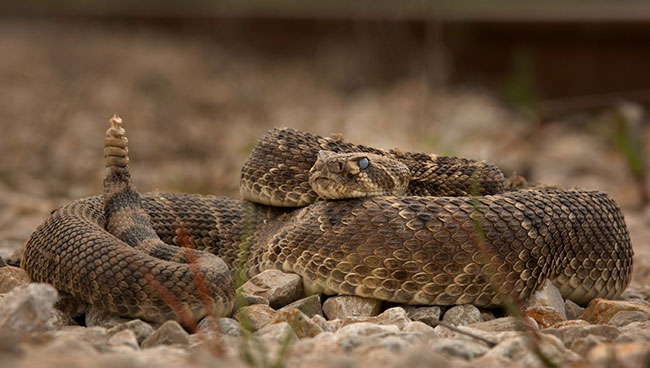
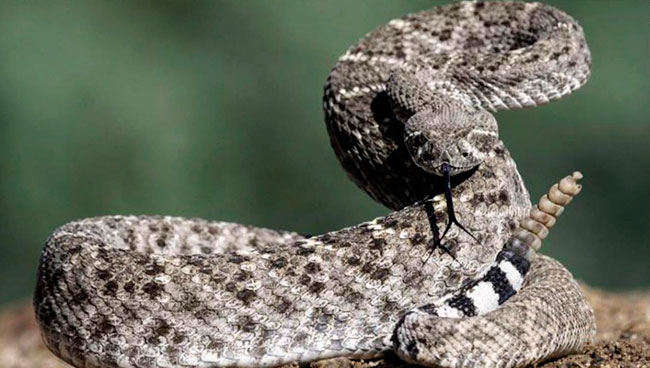
Serpientes/Snakes: They can be seen on the trails, it is recommended to keep your distance.
Terciopelo/Terciopelo: is a highly venomous pit viper found in Central and South America. Recognizable by its distinctive triangular head and heat-sensing pits, this snake is known for its aggressive behavior and potent hemotoxic venom
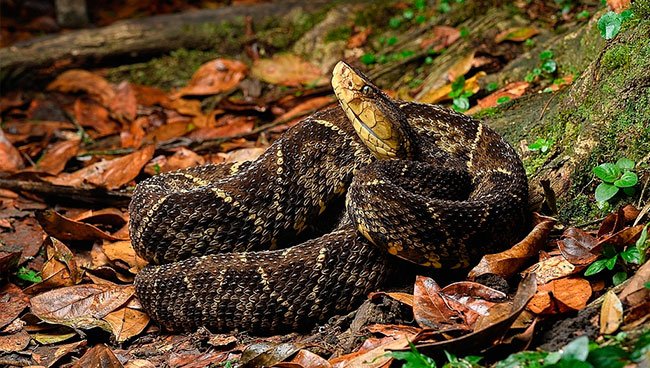
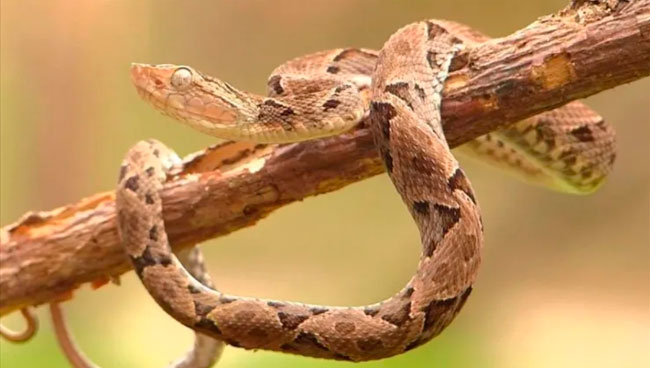
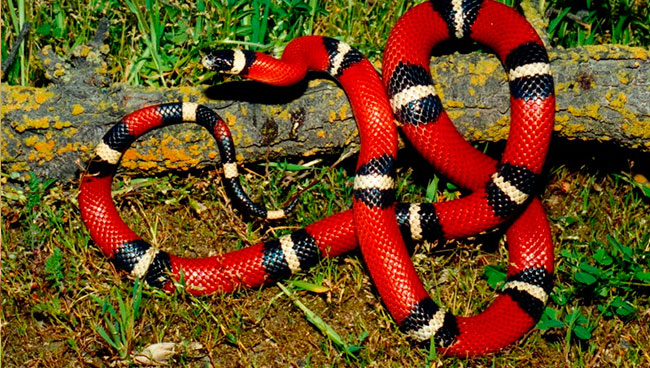
Coral venenoza/Poisonous coral: The venomous coral snake is a brightly colored reptile, characterized by its alternating bands of red, yellow, and black. Known for its potent neurotoxic venom, this snake is capable of causing paralysis and even death if not treated properly.
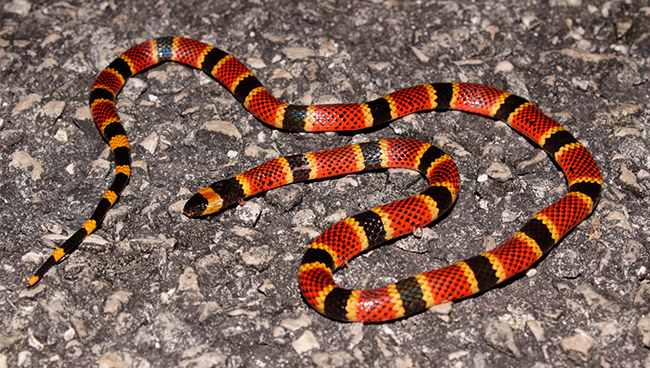
Cascabel/Rattlesnake: Is a venomous snake known for the distinctive rattle at the end of its tail, which it uses as a warning signal to potential threats. This snake can change the frequency of their rattle according to nearby threats.